The 9th John Ssebaana Kizito Memorial Lecture brought together insurance professionals, academics, and students to reflect on the future of the industry under the theme “The Future of Insurance: Empowering Uganda’s Next Generation of Risk Leaders.” The discussions highlighted a simple but powerful idea: as Uganda develops, the risks surrounding that growth will evolve, and so will the opportunities for insurance and risk professionals.
In his opening remarks, Mr Mugisha Christopher, Ag. CEO of the Insurance Brokers Association of Uganda (IBAU), brought Hon. John Ssebaana Kizito’s legacy to life through three powerful lessons:
- Professionalism is non-negotiable. Excellence, competence, and commitment are not optional; they are the standards that set us apart.
- Integrity is our greatest capital. In insurance, trust is everything. Without it, the industry cannot thrive.
- Innovation must go hand in hand with empathy. As risks evolve, we must think boldly, embrace new ideas and never lose sight of the people we serve.
Building on this, Saul Sseremba, CEO of ITC, challenged students to see insurance as more than a career opportunity. Reflecting on the example of Hon. Ssebaana, he encouraged them to consider the value they can bring to the sector and to Uganda’s wider economy.
He emphasised the importance of value addition, urging students to think about how they can make a meaningful contribution to the industry and build careers that last.
“The future belongs to professionals who can understand emerging risks, innovate, adapt and develop solutions that respond to people’s changing needs.”
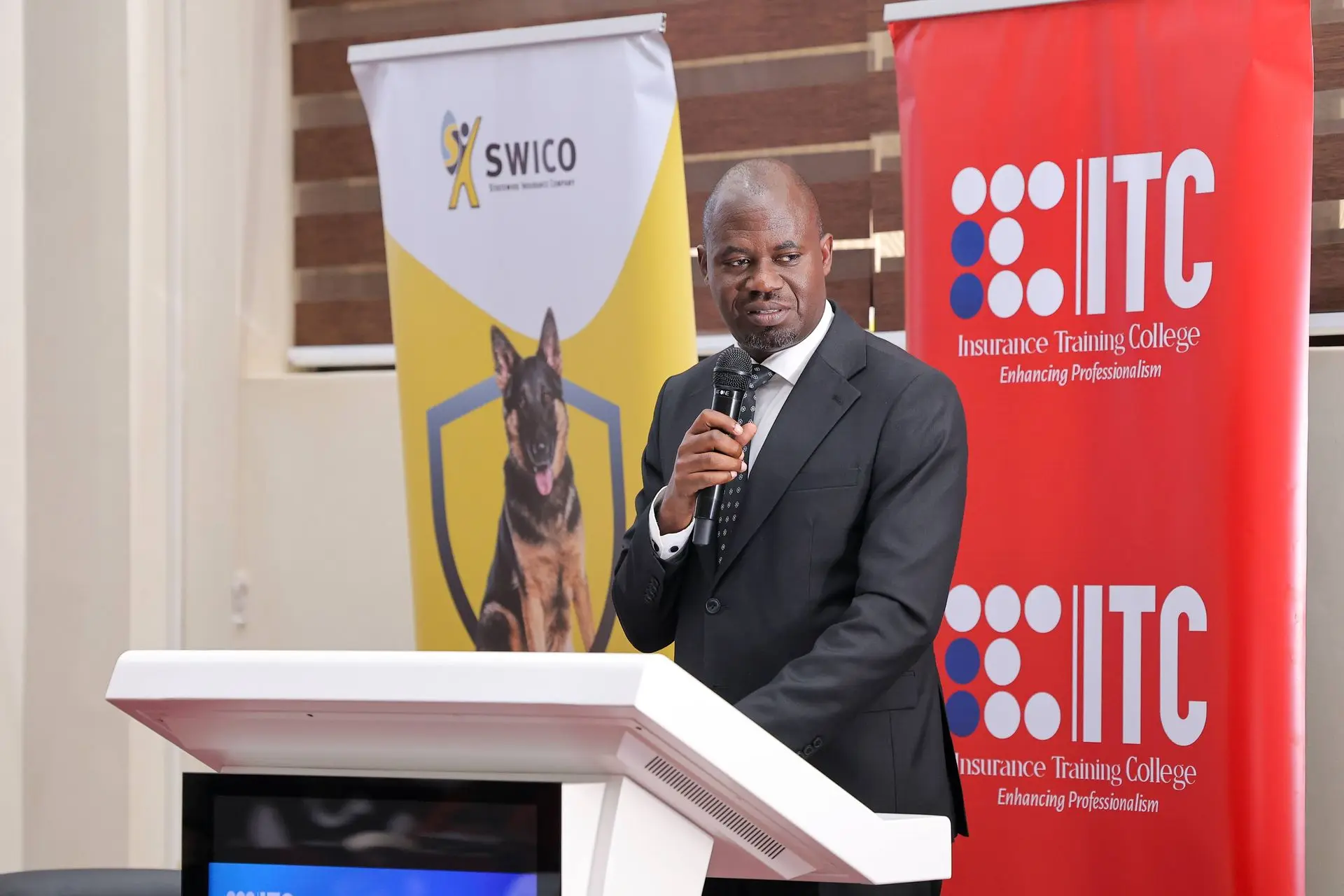

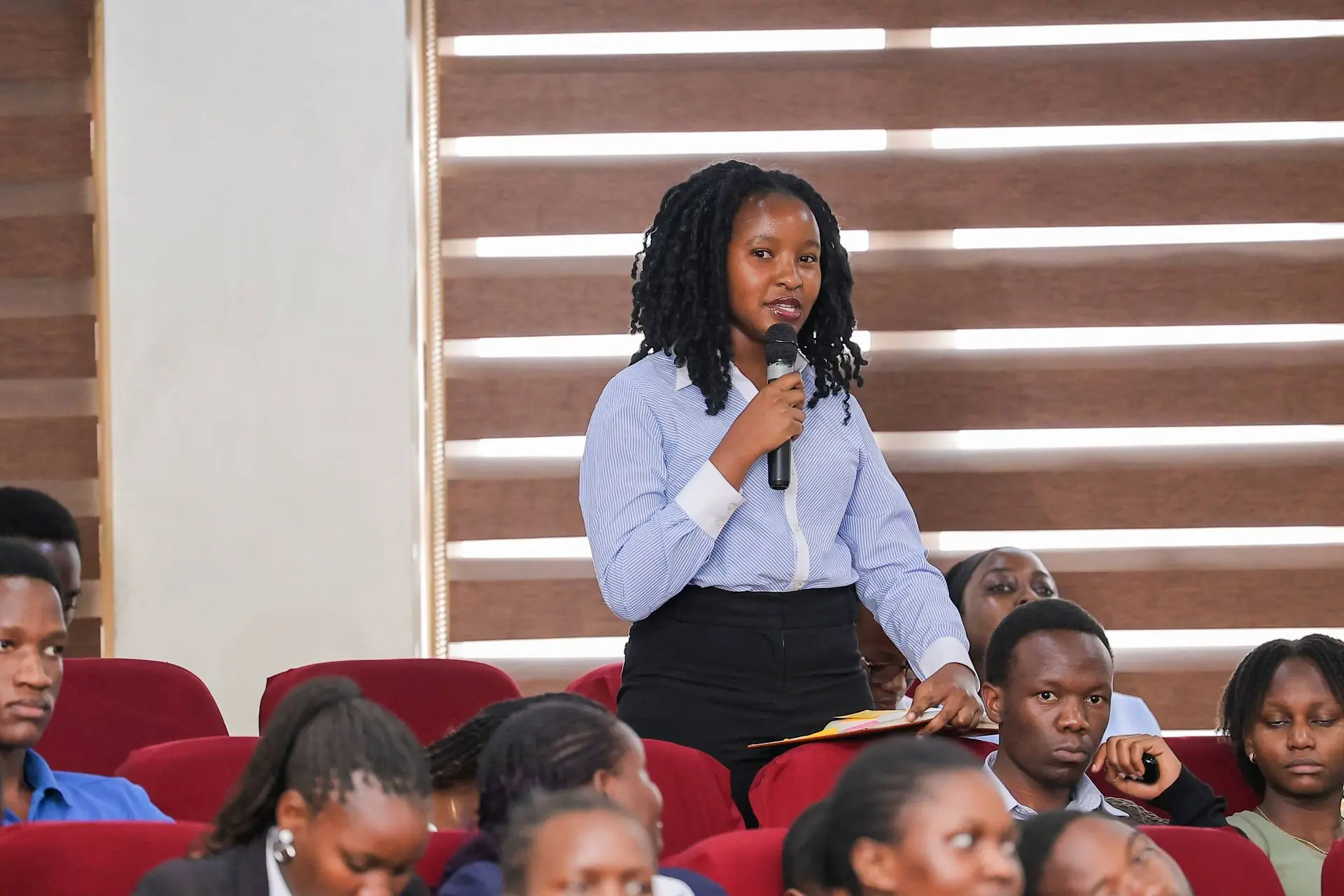
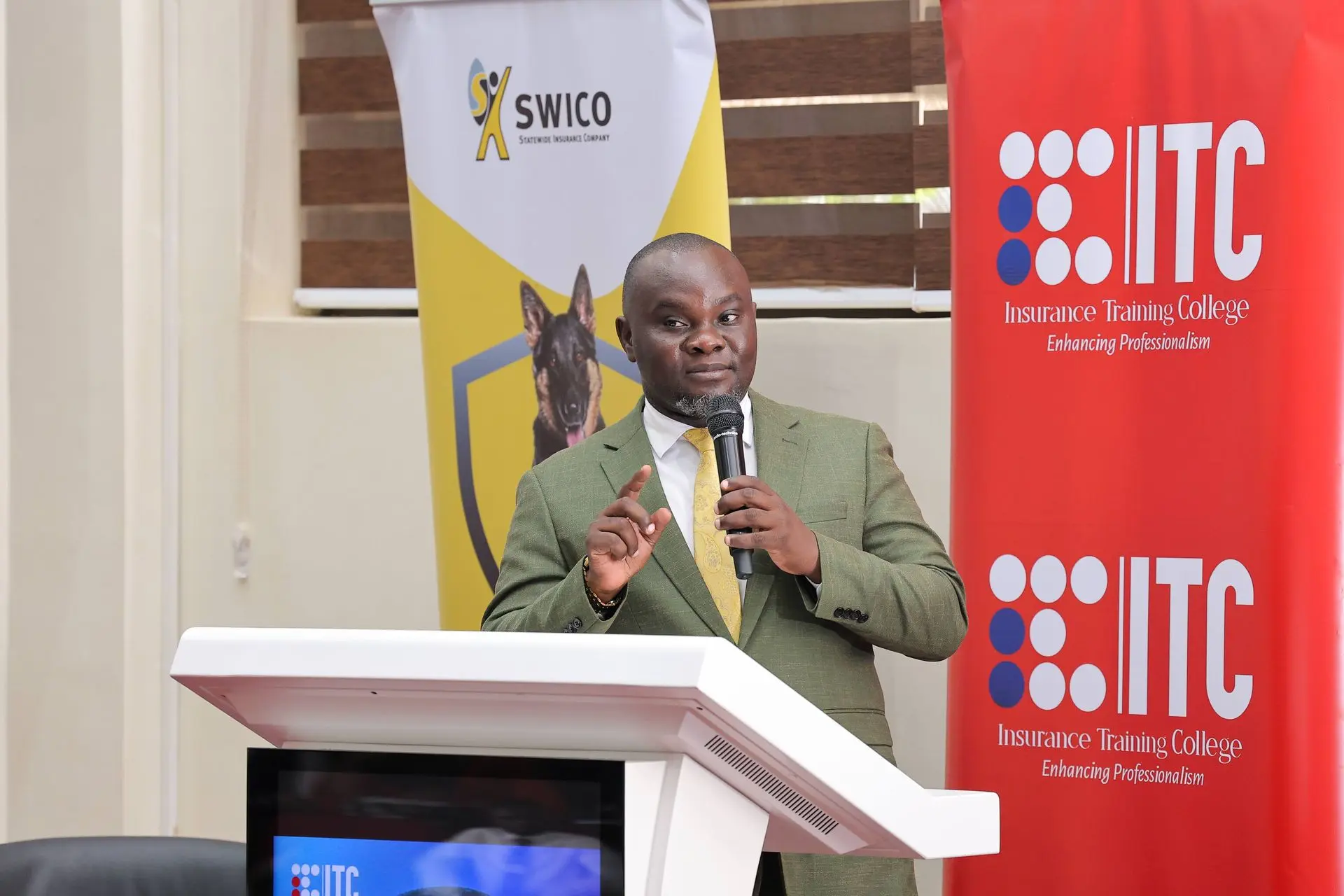
Risk is an opportunity.
A key message from Dr Protazio Sande, Ag. CEO of the Insurance Regulatory Authority (IRA), in his keynote speech, was the need to change how the industry thinks about risk.
“Risk is often viewed as something to avoid, but for insurers, risk is the foundation of opportunity.”
Every new investment, business venture, technological development or agricultural activity introduces uncertainty. For the insurance industry, understanding and managing that uncertainty creates value.
Uganda’s growing infrastructure, industries and digital economy are creating new categories of risk, opening opportunities for insurers to develop solutions that protect businesses, individuals and investments while supporting economic growth.
New Risks Need Innovative Solutions
Dr Sande further highlighted the emerging risks shaping Uganda’s economy, pointing to agriculture and the digital economy as areas requiring new insurance solutions.
Speaking about agriculture, he noted:
“Agriculture remains highly exposed to changing weather patterns and climate-related risks, creating a need for innovative insurance solutions that can help farmers manage uncertainty.”
At the same time, the growing digital economy is creating new risks around data, technology, and cybercrime. These emerging challenges require professionals who can move beyond traditional insurance thinking to develop innovative ways to understand and manage risk.
Preparing the Next Generation
The panel discussion, moderated by Sam Sentumbwe, Manager, Research & Grants at ITC, reinforced that preparing for this future requires more than academic qualifications. Speakers emphasised the importance of curiosity, communication, leadership, adaptability and the ability to create value.
Mrs Shakira Shamim Mujuni, CEO of GA Insurance Company, reminded participants that professional reputation is built through consistent performance, integrity and reliability—not job titles. Other speakers encouraged students to develop practical skills, think beyond simply becoming employees and remain willing to learn, adapt and ask questions.
Melissa Achen, Senior Actuary at SWICO, similarly emphasised the importance of curiosity and the ability to translate technical knowledge into language that decision-makers can understand. She also encouraged young professionals to view rejection and setbacks as opportunities to improve rather than as definitions of their worth.
The discussion also highlighted the range of expertise needed to strengthen the insurance industry. Sulaiman Ddumba Ibrahim, Academic Registrar at ITC, challenged students to look beyond conventional career paths and ask themselves, “What problem can I solve, and what opportunities exist within the sector?”
He highlighted areas such as data collection, analysis and research, where professionals including statisticians, agricultural specialists and other specialists can contribute to understanding and responding to the risks facing Uganda.
The conversation highlighted the need for a new generation of insurance professionals who can bring diverse expertise, think critically, and turn their knowledge into practical solutions for a changing risk landscape.
The 9th John Ssebaana Kizito Memorial Lecture